Electric vs Gas Lawn Mowers: Which One Should You Buy in 2026?

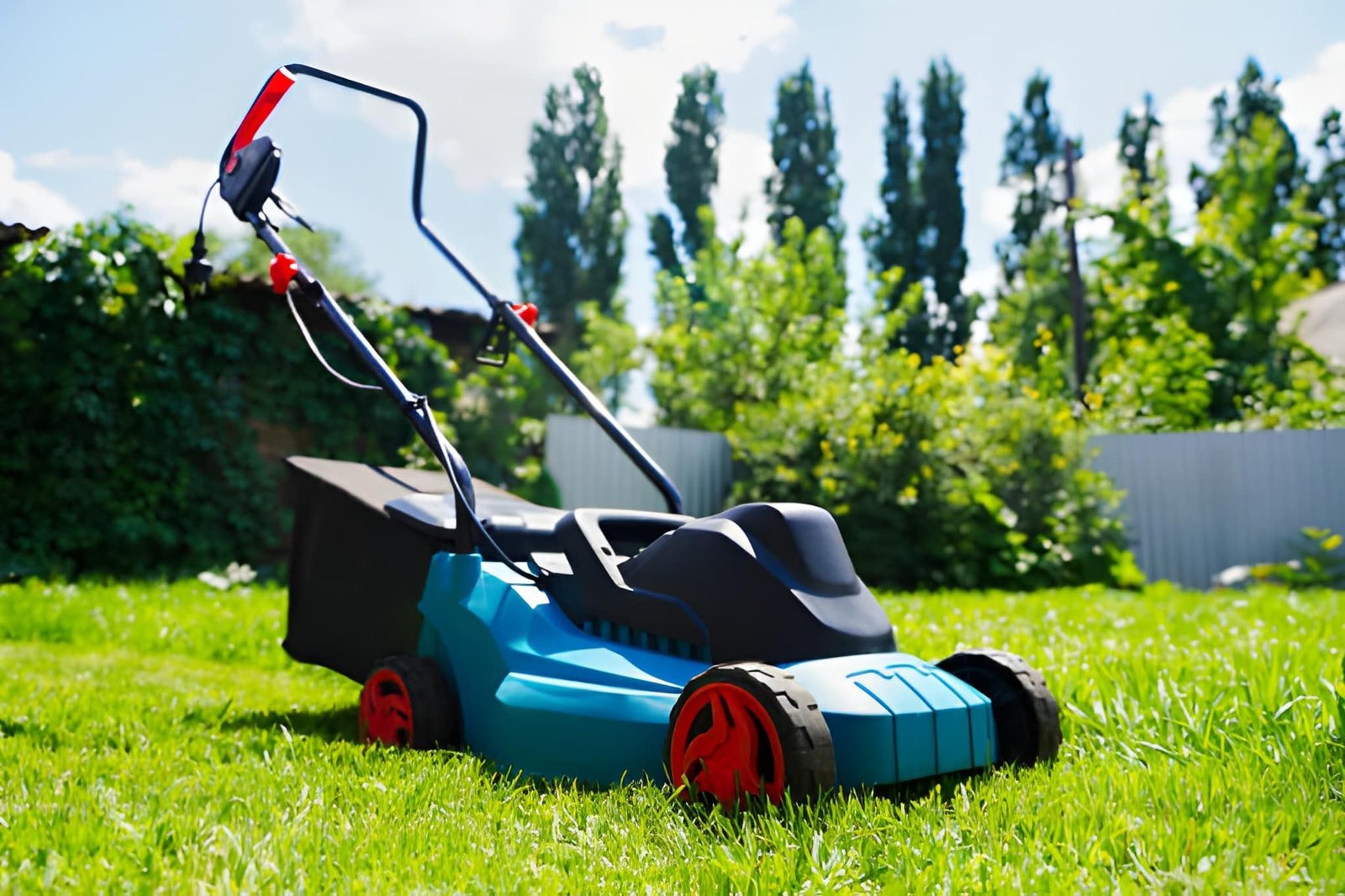
If you’re shopping for a lawn mower right now, you’ve probably noticed the big shift happening. Battery-powered mowers have gotten seriously good. Gas mowers have been the standard for decades. So which one actually makes sense for you?
At Mower Picker, we test both types side by side. Here’s the honest breakdown with no brand bias.
The Case for Electric Mowers
Electric mowers — both corded and battery-powered — have come a long way in the last few years.
What they do well: They start instantly. No priming, no pulling a cord, no praying it fires up on a humid morning. Just press a button or squeeze a lever and go. They’re quiet enough to use early in the morning without waking the neighbors. They weigh less than gas mowers, fold up smaller for storage, and require almost no maintenance — no oil changes, no spark plugs, no air filters, no fuel stabilizer.
The battery question: This is the big one. Five years ago, battery mowers struggled on thick grass and ran out of juice in 20 minutes. In 2026, premium models from Ego, Toro, Greenworks, and Ryobi run for 45 to 70 minutes on a charge — plenty for a half-acre lawn. Some now accept two batteries and switch between them automatically so you don’t have to stop. Fast chargers can recharge a depleted battery in about 30 minutes.
Where electric falls short: If you have more than an acre, run time becomes a real issue. You’ll need multiple batteries or a model with dual-battery support, and that adds cost. Replacement batteries run $100 to $300 each. Also, battery performance drops in cold weather, and the batteries themselves lose capacity over time — expect to replace them every 3 to 5 years.
Price range: Corded electric runs $100 to $250. Cordless battery mowers run $250 to $800.
The Case for Gas Mowers
Gas mowers are the old reliable. They’ve been around forever and they work.
What they do well: Unlimited run time. If you have two acres of thick grass, a gas mower will mow every inch of it without slowing down or stopping. Gas mowers have more torque, which means they handle tall weeds, wet grass, and uneven terrain better than most electric models. Replacement parts are everywhere and cheap. Your granddad’s old Honda push mower will probably outlive you.
The downsides: Gas mowers are loud. They smell like exhaust. They require regular maintenance — oil changes every season, spark plug replacement, air filter cleaning, and fuel management. If you leave gas sitting in the tank over winter without stabilizer, you’ll have problems in spring. Pull-start engines can be frustrating, especially for older users or anyone with shoulder issues. And gas mowers are heavier — a typical self-propelled gas mower weighs 80 to 100 pounds.
Price range: Basic push gas mowers run $200 to $400. Self-propelled models run $300 to $700.
Side-by-Side Comparison
Starting: Electric wins. Button or lever. Gas requires pulling a cord.
Power: Gas wins, but the gap is closing fast. For normal grass on a normal lawn, electric is plenty.
Run time: Gas wins. Unlimited as long as you have fuel. Electric is limited by battery.
Maintenance: Electric wins by a mile. No oil, no gas, no filters, no spark plugs.
Noise: Electric wins. Gas mowers are 90 to 95 decibels. Electric mowers are 65 to 75 decibels.
Weight: Electric wins. Most are 30 to 55 pounds. Gas self-propelled models are 60 to 100 pounds.
Price: Tie at the low end. At the high end, gas is cheaper for equivalent deck size.
Long-term cost: Tie. Electric saves on gas and oil but will need battery replacements. Gas costs more in fuel and maintenance over time.
The Verdict: Which One Should You Buy?
Buy electric if: Your lawn is half an acre or less. You don’t want to mess with oil changes and gas cans. You mow in a neighborhood where noise matters. You want something light and easy to store. You’re okay replacing a battery in a few years.
Buy gas if: Your lawn is over half an acre. You have thick or challenging grass. You want one mower that will last 10 to 15 years with basic maintenance. You already have gas equipment and don’t want to manage two fuel types. You live in a very cold