The Ultimate Guide to Every Type of Lawn Mower in 2026

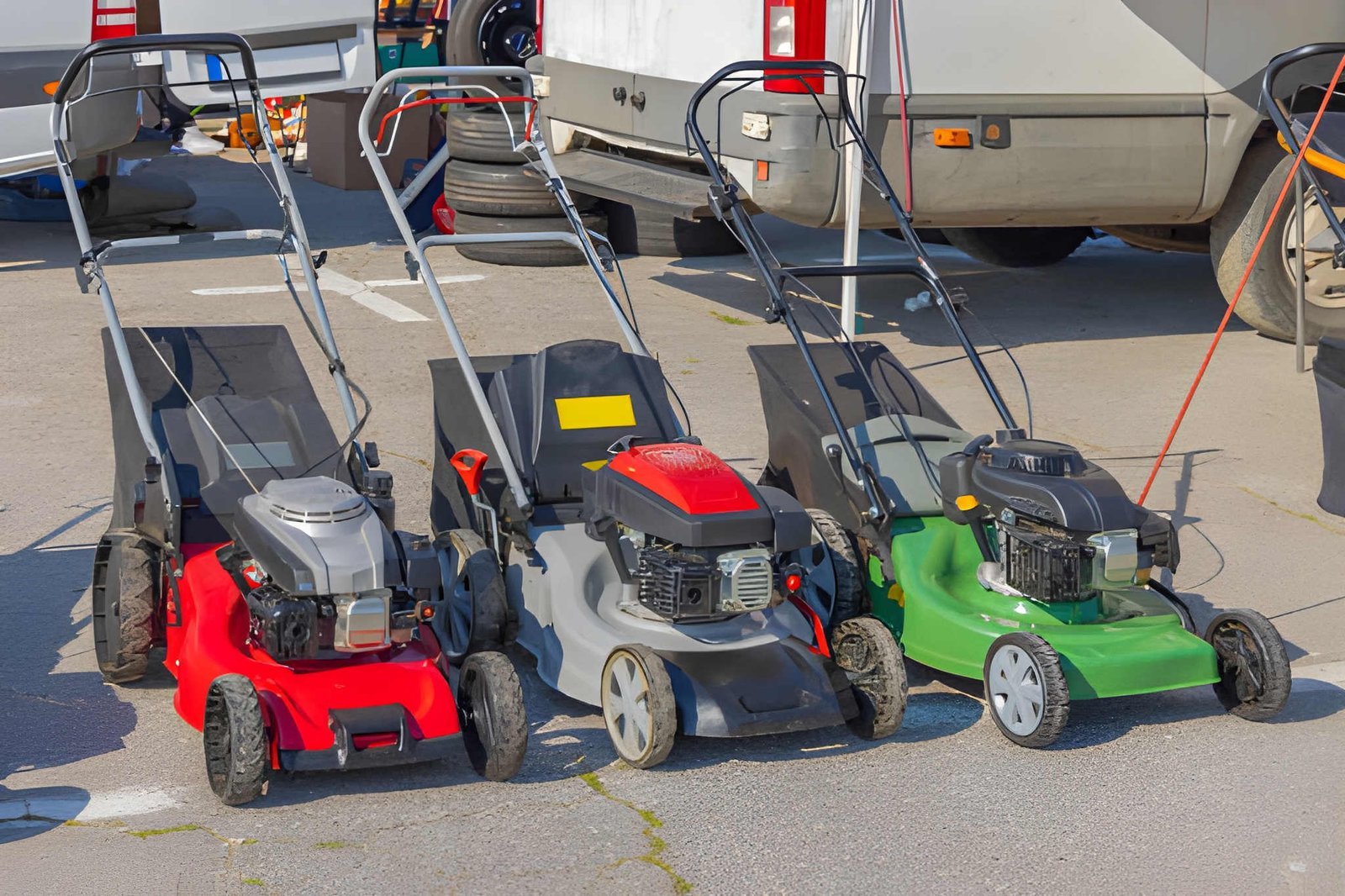
Choosing the right lawn mower can feel overwhelming. Walk into any store and you’ll face rows of machines from $150 push mowers to $15,000 commercial zero-turn beasts. So which one do you actually need?
At Mower Picker, we help you cut through the confusion. This guide covers every major lawn mower type on the market in 2026 — how they work, who they’re for, what they cost, and which yards they suit best. Let’s find yours.
1. Push Reel Mowers (Manual)
Best for: Tiny lawns under a quarter acre, eco-conscious homeowners, budget buyers
A reel mower uses a spinning cylinder of blades that pinches grass against a stationary blade — no engine, no electricity, just human power. They produce the cleanest cut of any mower because they scissor grass rather than tearing it.
Pros: Zero emissions, nearly silent, almost no maintenance, safest for kids and pets, $80 to $200.
Cons: Requires physical effort, can’t handle tall or thick or wet grass, no grass collection, not for uneven terrain.
Mower Picker Tip: If your lawn is smaller than a tennis court, this is the most economical and eco-friendly choice. No gas, no cords, no batteries — ever.
2. Corded Electric Push Mowers
Best for: Small lawns under a quarter acre near an outlet
A corded electric motor spins a rotary blade. These are the lightest powered mowers at 30 to 50 pounds with consistent power that never runs out mid-mow.
Pros: Lightweight, consistent power, low maintenance, quiet, $100 to $250.
Cons: Tethered to an outlet, risk of running over the cord, limited to about 150 feet reach, not ideal for yards with lots of obstacles.
Mower Picker Tip: Use a quality 12- or 14-gauge outdoor extension cord. Cheap cords cause voltage drop and reduce power.
3. Battery-Powered (Cordless) Mowers
Best for: Small to medium lawns up to half an acre
Rechargeable lithium-ion batteries power these mowers for 30 to 60 minutes per charge. This is the fastest-growing category in lawn care.
Pros: No cord, no gas, no fumes, instant start, very quiet, low maintenance, fold-flat storage, $250 to $800.
Cons: Battery limits run time, replacement batteries cost $100 to $300, less power than gas for thick grass, batteries degrade in 3 to 5 years.
What’s new in 2026: Top cordless mowers from Ego, Toro, Ryobi, and Greenworks now rival gas in cutting performance. Latest 80V and 82V systems handle a full acre on one charge. Dual-battery rapid charging is standard on premium models.
4. Self-Propelled Gas Push Mowers
Best for: Medium to large lawns from a quarter to half an acre, uneven terrain, thick grass
A gas engine drives both the blade and the wheels. You guide the mower, the drive system does the pushing. These have been the gold standard for decades.
Pros: Unlimited run time, maximum cutting power, better on hills and thick grass, proven reliability, $300 to $700.
Cons: Requires gas and oil, loud, emits fumes, higher maintenance (spark plugs, air filters, oil changes), harder to start than electric.
Drive types available: Front-wheel drive works best for flat yards. Rear-wheel drive handles hills better. All-wheel drive is overkill for most homeowners but great for steep slopes.
5. Riding Lawn Mowers (Garden Tractors and Lawn Tractors)
Best for: Large properties from half an acre to 2 acres
Riding mowers let you sit and steer while the machine does the work. Lawn tractors have blades that mount under the deck, while garden tractors are heavier-duty with attachments like plows and tillers.
Pros: Fast on large lawns, comfortable, many accept baggers, trailers, and other attachments, $1,200 to $3,500.
Cons: Expensive, requires storage space, heavy maintenance (engine, transmission, belts, blades), not practical for small yards.
Mower Picker Tip: If you’re mowing more than half an acre, the time saved versus push mowing adds up fast. A rider pays for itself in saved weekends.
6. Zero-Turn Mowers (ZTRs)
Best for: Large to very large properties from 1 to 5+ acres